



Différences entre les champignons biologiques et les champignons conventionnels
2026-02-08 20:32Differences Between Organic Mushrooms and Conventional Mushrooms
Cultivation Philosophy and Environmental Impact
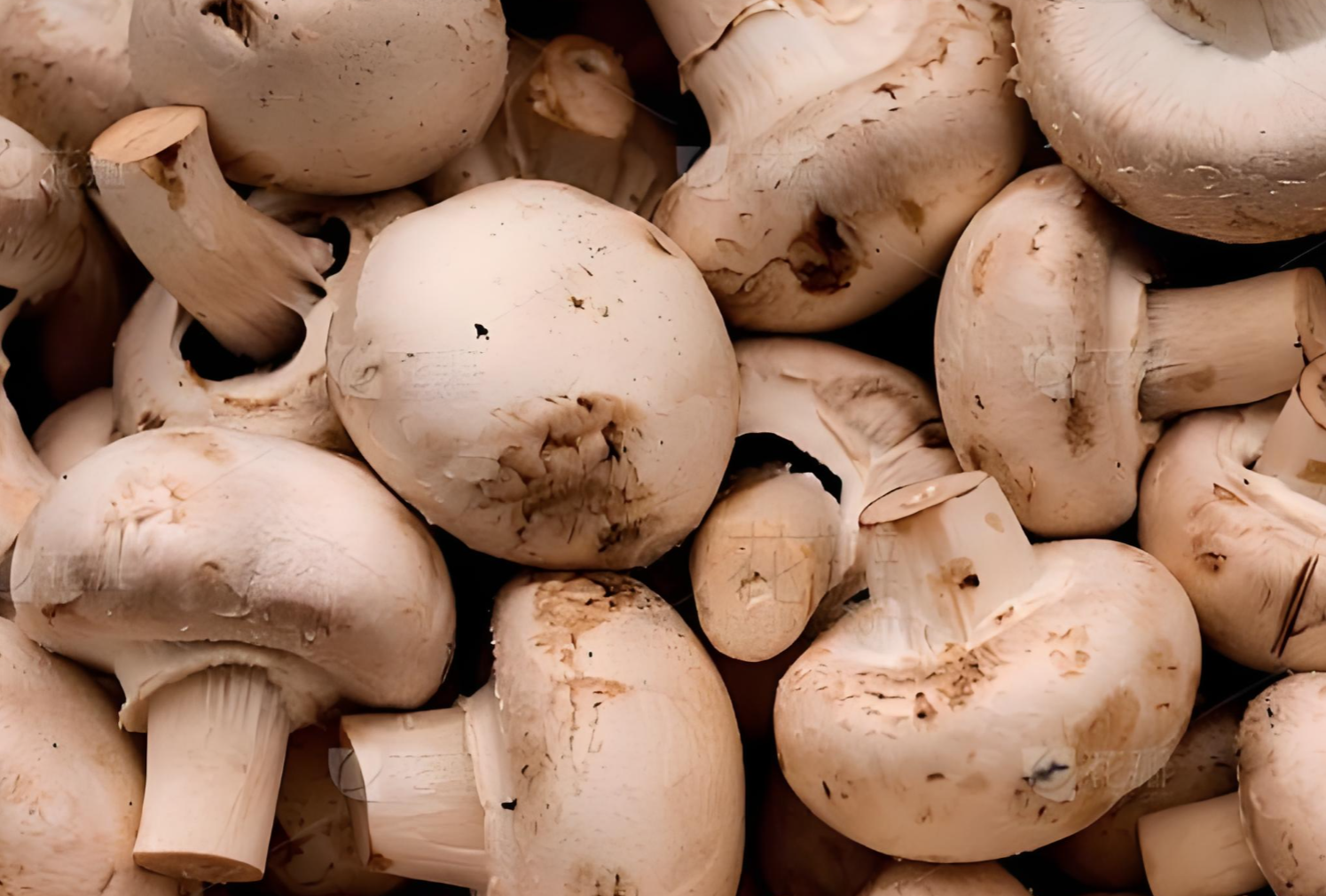
The most profound distinction between organic and conventional mushrooms begins with a fundamental cultivation philosophy and its resulting environmental footprint. Conventional mushroom farming often operates within a framework of intensive agriculture, which may rely on synthetic chemical fungicides, pesticides, and sterilizing agents to control contamination and maximize yield in a controlled environment. The substrate—the nutrient-rich material on which mushrooms grow—may be derived from conventional agricultural byproducts, potentially containing pesticide residues or synthetic additives. In stark contrast, certified organic mushroom cultivation, as practiced by leaders like Dashanhe Group, adheres to a principle of harmony with natural systems. This method strictly prohibits the use of synthetic chemicals, GMOs, and chemical sterilants. Instead, it utilizes natural, organic substrates (such as certified organic straw, hardwood sawdust, and agricultural wastes) and employs biological controls and rigorous facility management to prevent contamination. The result is a system that nurtures soil health, promotes biodiversity, and protects water sources, making the very process of growth a testament to ecological responsibility.
Nutritional Integrity and Bioactive Potency
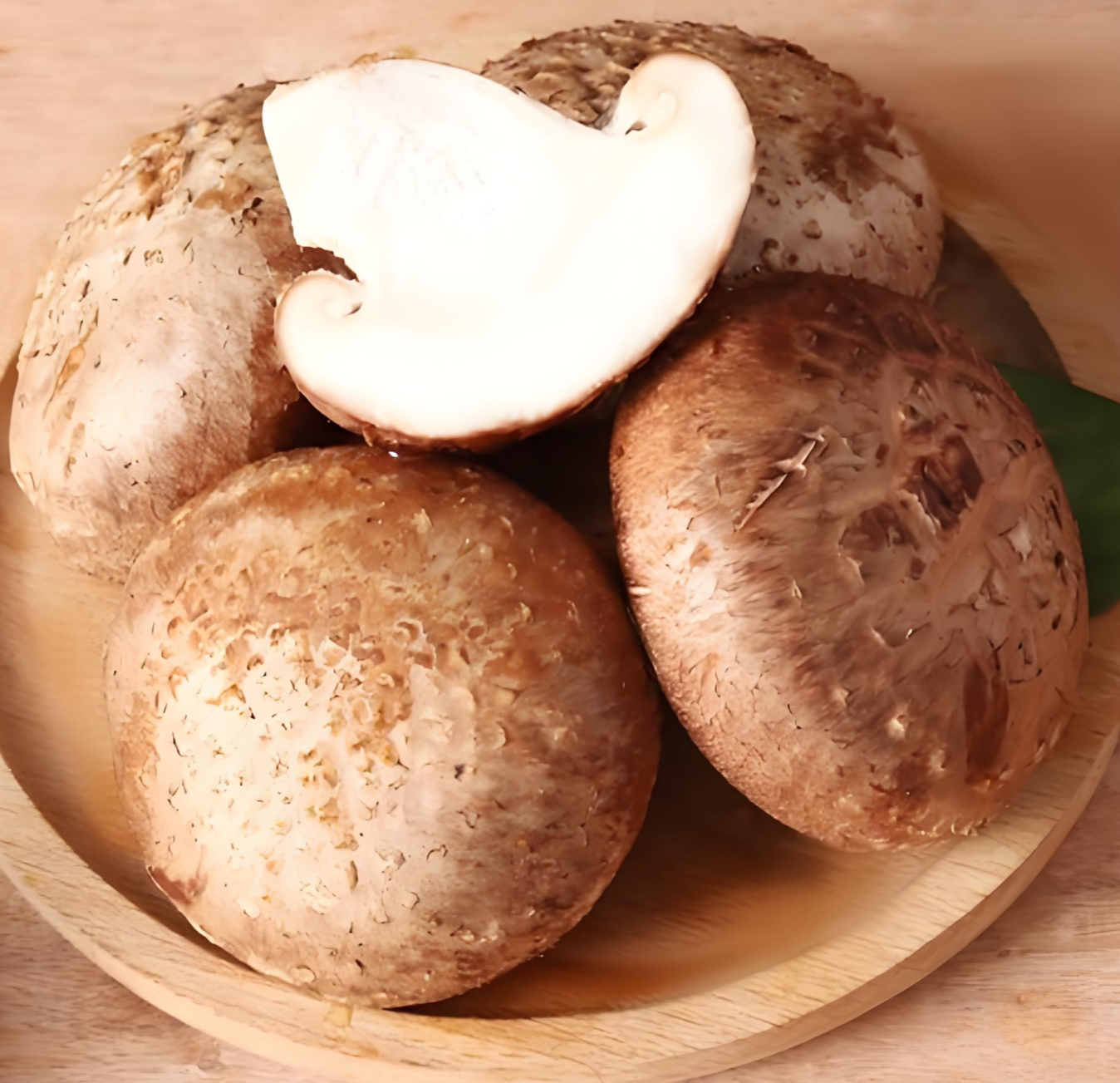
Beyond the cultivation process, the choice between organic and conventional mushrooms significantly influences their nutritional integrity and concentration of bioactive compounds. Research indicates that plants grown under organic conditions, without the protective dddhhhcrutchdddhhh of synthetic chemicals, often produce higher levels of secondary metabolites—the very compounds responsible for many of their health benefits. For mushrooms, this includes critical polysaccharides like beta-glucans and powerful triterpenoids. These compounds are part of the mushroom's natural defense mechanism, and their production is enhanced under the mild biotic stress of a clean, organic environment. Conversely, conventional farming inputs can interfere with the development of these delicate compounds. Furthermore, organic mushrooms are guaranteed to be free from synthetic pesticide residues, a crucial consideration for consumers seeking pure, unadulterated superfoods. Brands like Dashanhe, by committing to organic certification, ensure that the final product delivers the full therapeutic potency and nutritional density that nature intended, without contaminants that could diminish their efficacy or pose health risks.
Traceability, Certification, and Consumer Trust
The final and critical differentiator lies in the systems of verification, traceability, and transparency that underpin organic production. Purchasing certified organic mushrooms is not merely buying a product; it is investing in a fully auditable supply chain. From the sourcing of organic substrate components and spawn (mushroom dddhhhseedsdddhhh) to the harvesting, processing, and packaging, every step must comply with rigorous international standards (such as USDA Organic, EU Organic, or China Organic) and is subject to regular inspections by independent certification bodies. This provides an unparalleled level of consumer trust and safety assurance. For a company like Dashanhe Group, this commitment extends to batch-level traceability, allowing consumers to understand the provenance and journey of their product. In contrast, conventional mushrooms lack this mandated, third-party-verified chain of custody. The organic label, therefore, represents a verifiable promise of purity, ethical production, and holistic quality that transcends the physical mushroom, offering peace of mind that aligns with a conscious, health-oriented lifestyle.
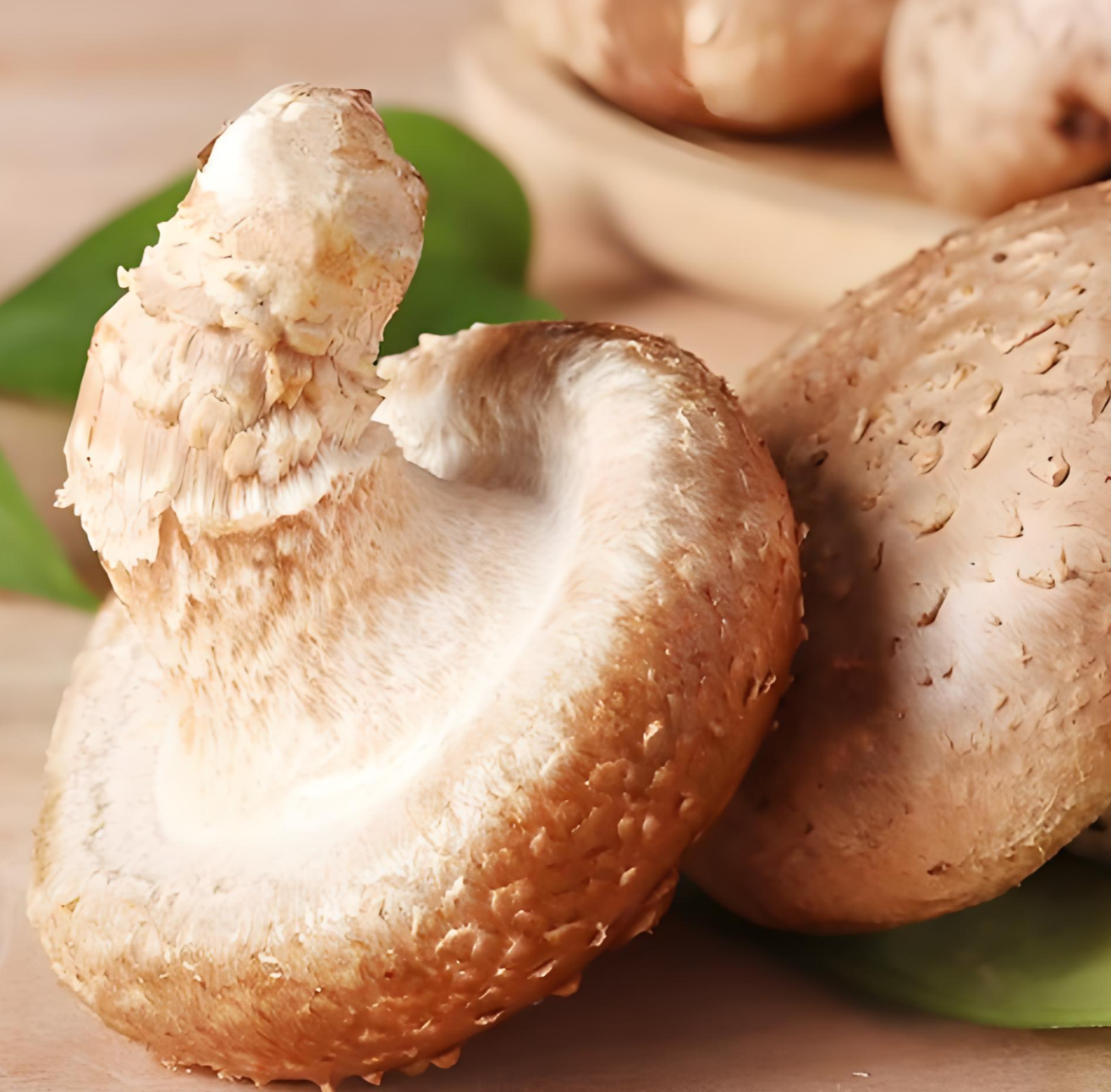
The choice between organic and conventional mushrooms is a decision that extends from the farm to the body. Organic cultivation, as exemplified by Dashanhe Group, represents a holistic commitment to environmental stewardship, which in turn fosters mushrooms of superior nutritional and therapeutic potency, free from synthetic contaminants. The rigorous certification process ensures transparency and trust. While conventional mushrooms may offer a cost-effective option, certified organic mushrooms provide an invaluable investment in personal health, ecological sustainability, and the peace of mind that comes from consuming nature's offerings in their purest, most potent form. In the realm of functional foods, where potency and purity are paramount, organic is not merely a label—it is the definitive standard for quality and intentionality.